
The minibus taxi industry isn’t just one part of South Africa’s transport system; it is its backbone. Every day, millions of commuters rely on taxis to access work, education and healthcare. In many communities, particularly townships and peri-urban areas, taxis are the only practical form of public transport available. Their role is essential, not optional.
Despite this central role, the industry faces persistent challenges. A 2020 survey by StatsSA revealed that 9% of households consider taxis or buses too expensive, while 37% cite inadequate service availability as their primary transport-related concern.
The sector is also struggling with cash dependency, which has a ripple effect, impacting safety and reliability, causing revenue leakage, and resulting in a lack of data about how transport is really used. There’s an opportunity to modernize and integrate this informal transport system without undermining the speed and flexibility that make it so effective.
Essential, flexible, widely used
One of the industry’s greatest strengths is its flexibility. Routes evolve organically in response to commuter demand, operating hours extend beyond rigid schedules, and operators adapt quickly to changing economic and social conditions. This responsiveness has allowed the industry to thrive where more rigid transport models often struggle. As a dominant mode of public transport in South Africa, minibus taxis account for a large share of trips nationwide. Its reach cuts across income levels, geographies, and industries, quietly powering the economy through daily mobility.
Cash dependency
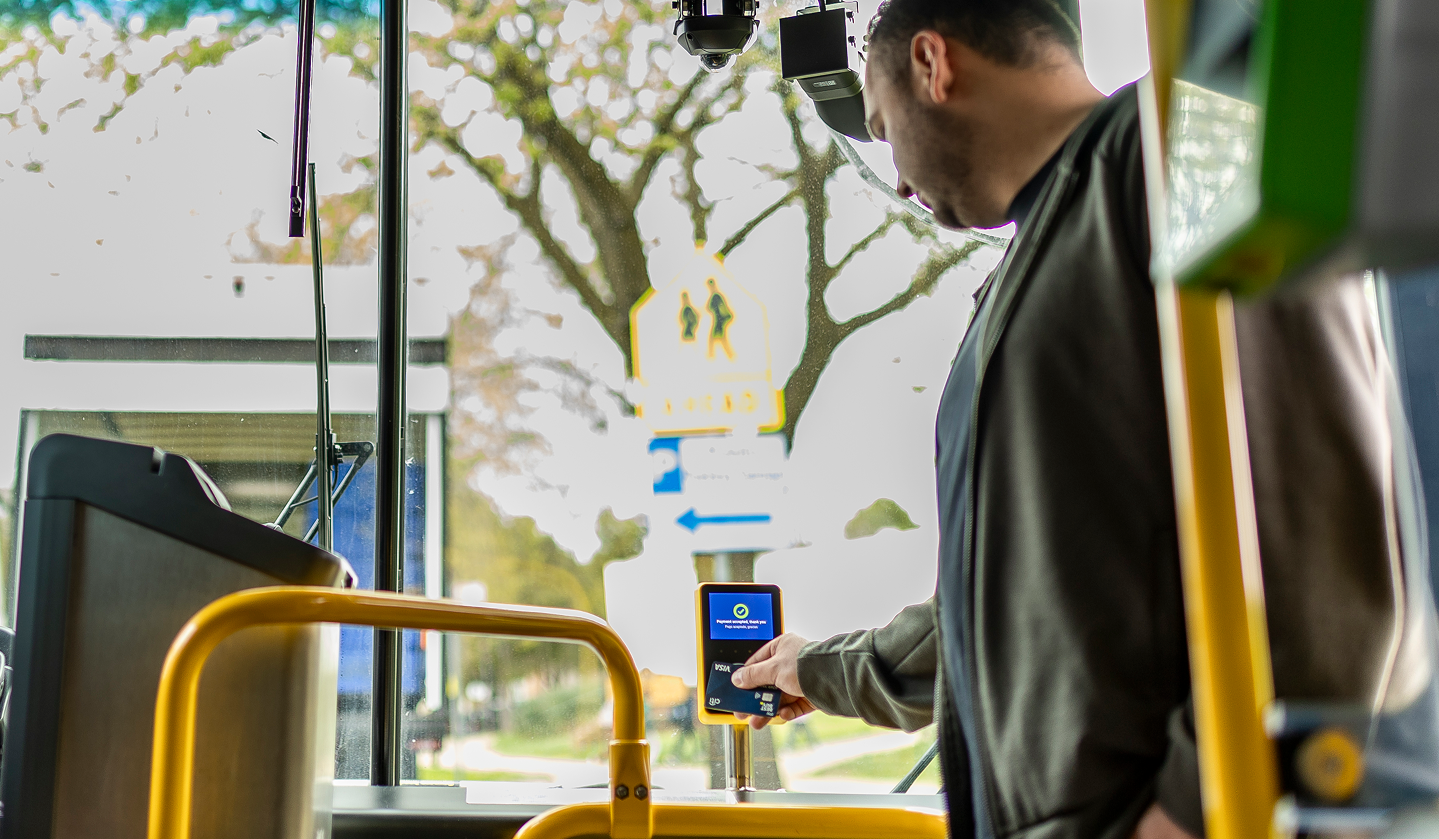
Despite the popularity of minibus taxis, the sector remains unregulated and heavily reliant on cash payments. The lack of modern fare collection systems creates operational inefficiencies and complicates financial oversight. Cash dependency also poses safety risks for drivers and passengers alike, and makes it harder to track revenue accurately.
Lack of standardized data
The absence of standardized operational and passenger data is another barrier to modernization. Without accurate information on routes, ridership, and revenue, transport authorities and operators face challenges in planning, optimizing services, and integrating minibus taxis with broader public transport networks.
Revenue leakage
Cash-based transactions and informal fare structures result in a lack of financial clarity. With cash handling mistakes, inconsistent fare enforcement and unrecorded earnings among the common issues, revenue is hard to track and protect. Modern digital systems can help solve this, giving operators a clearer view of daily takings while improving transparency and accountability.
Safety and reliability inconsistencies
Safety and reliability remain a critical concern. The industry’s informal nature, varying levels of vehicle maintenance, and inconsistent adherence to road regulations contribute to high accident rates and service unpredictability. Reliability is often compromised by overloading, route disputes, and non-standardized scheduling, which negatively affects commuter trust. Digital oversight and training programs can support safer operations without slowing service.
Lack of integration with other modes
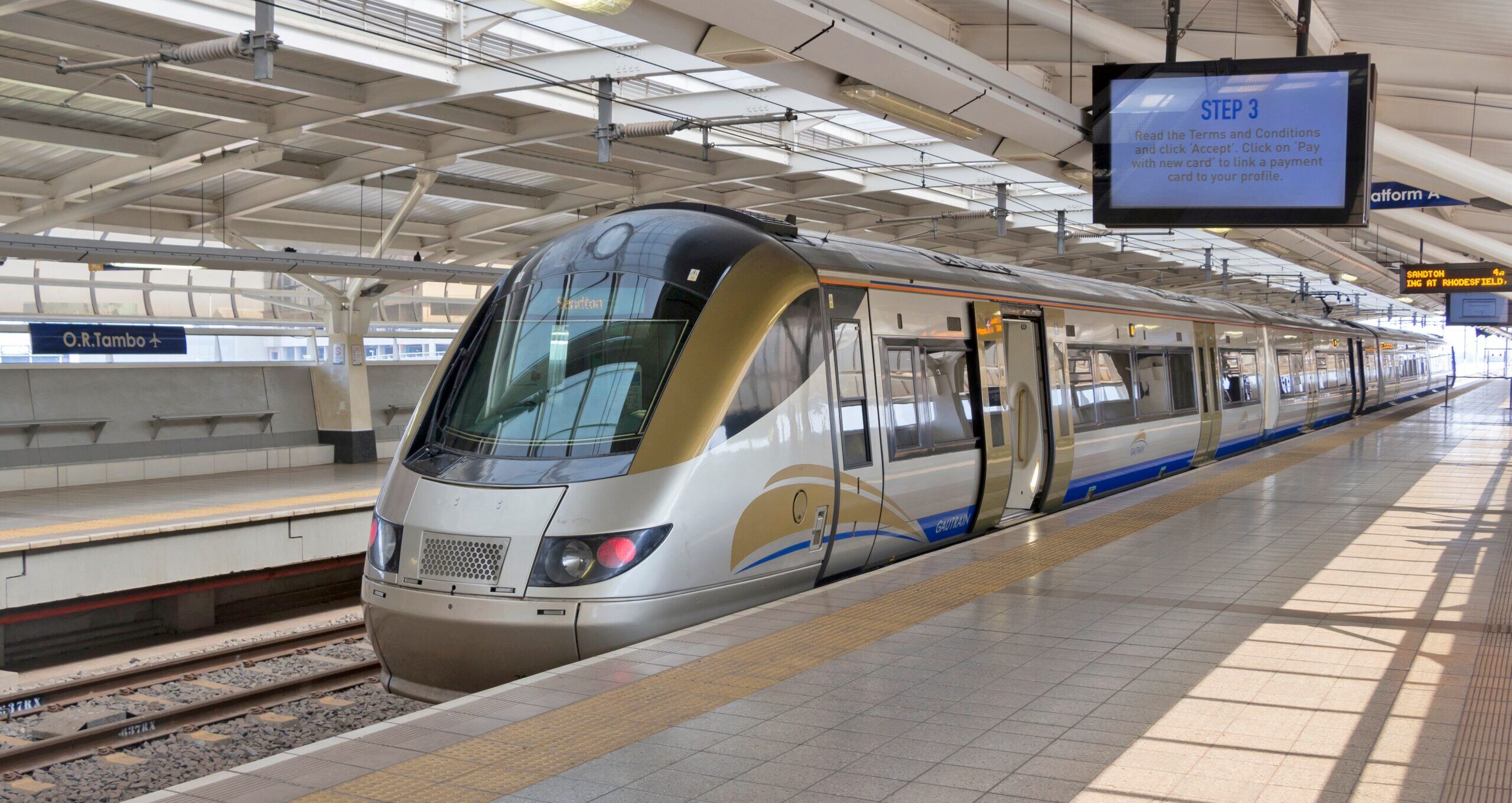
South Africa’s transport ecosystem is highly fragmented. The taxi industry operates largely in isolation from rail, bus rapid transit (BRT), and non-motorised transport networks. This lack of integration limits commuter choice, increases travel times, and contributes to urban congestion. Seamless integration through shared ticketing systems, coordinated scheduling, and multimodal hubs could significantly enhance mobility and reduce transport costs for millions.
Why it matters
The challenges facing the minibus taxi sector directly affect the people who rely on it every day, shaping access to essential services, creating connections and opening up opportunities. . Modernization and integration will strengthen the minibus taxi sector and ensure it plays a vital role in making journeys smoother, safer, and more reliable for millions of commuters.
“The minibus taxi industry is central to South Africa’s daily life. When it thrives, it unlocks access to opportunity and supports more inclusive economic growth; when it struggles, commuters and the wider economy feel the impact every day.”
Suren Gounder, Business Development Manager, Kuba
What we’re doing to support positive change
At Kuba, we believe meaningful progress starts with local understanding. With one of our global headquarters in South Africa, our approach is to bring together key stakeholders including taxi associations, operators, drivers, commuters, municipalities, and transport authorities to ensure alignment and shared value.